Categories
MENA in Turbulence

Hard choice of Riyadh: How did OPEC agree on the cut of oil production?

On November 30, OPEC secured a cut in oil production from 33.8 million barrels a day (b/d) to 32.5 million b/d. As cheap oil from the global oil glut created budgetary shortfalls in oil-producing countries across the world, the severe economic challenges facing petro-states led to this special agreement, which is OPEC’s first to cut oil output since 2008, and the first time that non-OPEC Russia will back the cartel’s cuts to prop up prices since 2001. This unexpected decision sparked a huge rally in the price of both oil and gasoline. Given the state of regional turmoil from Syria to Yemen, however, it is legitimate to ask if politics will cause the agreement to fall apart in 2017.

The agreement was designed to reduce the production in global oil markets. It was successful despite pessimistic forecasts leading up to last month’s meeting in Vienna. After all, OPEC’s April 2016 meeting, held in Doha, ended with no deal, as member countries did not reach any consensus on the level of oil production. Iran participated in private talks led by Qatar, which currently holds the OPEC presidency, but Qatar failed to get Tehran on board because Iran argued it needed to regain market share lost during years of international economic sanctions. Whereas some OPEC members such as Ecuador and Venezuela favored cutting oil production, OPEC’s September 2016 meeting, held in Algeria, also failed to achieve this goal with Libya and Nigeria appearing reluctant to cut their oil production.

Categories
MENA in Turbulence

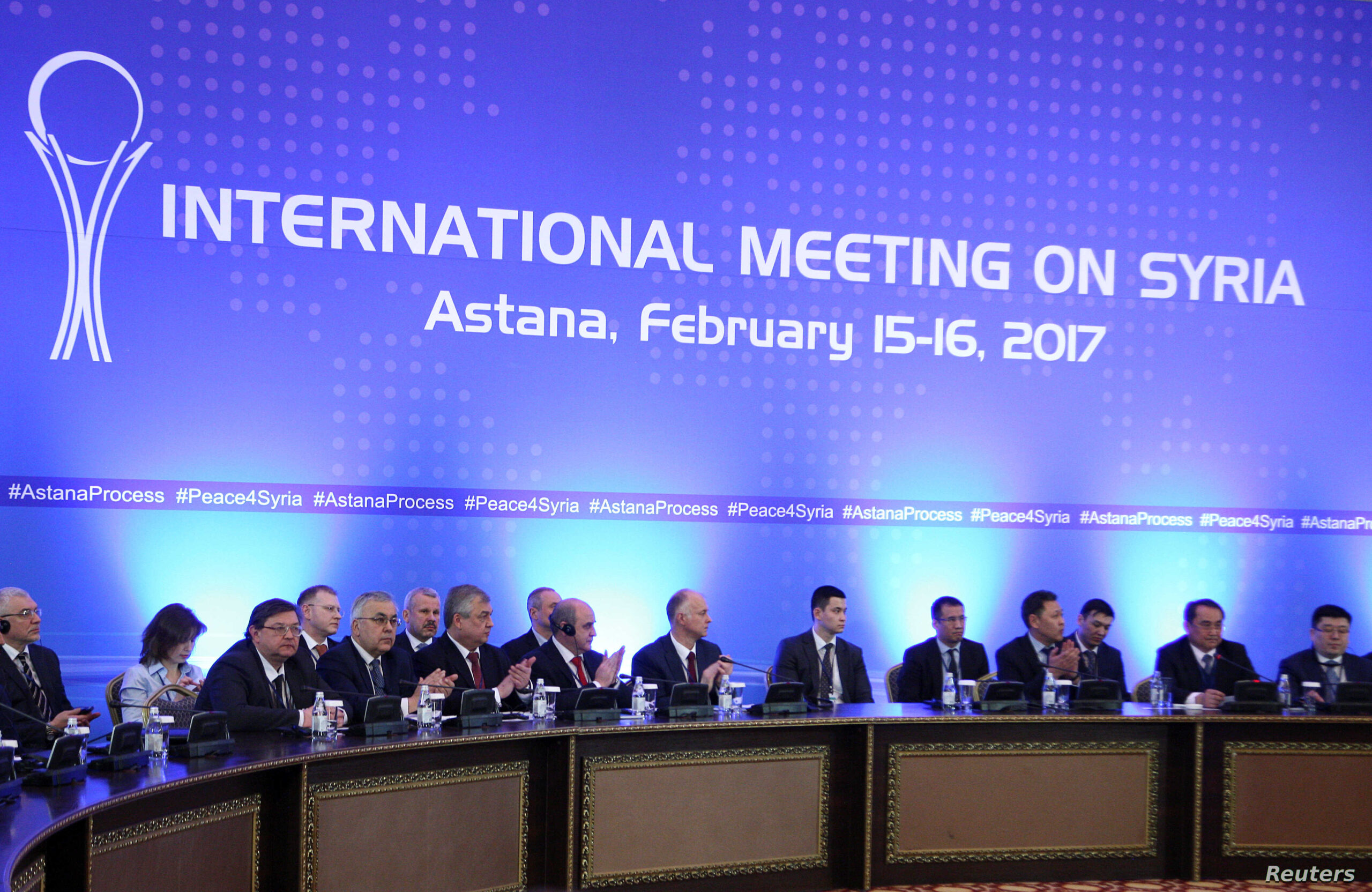
Why did Turkey enter Syria?

Obviously, the liberation of the city was not problematic for the Turkish military; according to the Turkish Defense Ministry, only one FSA fighter has been killed during the “Euphrates Shield” operation. The Syrian civil war has been raging for over five years, and there are still no winners in sight. On the contrary – new actors are becoming involved in the conflict day by day – this week the Turkish army also joined the fray, by intervening in the Syrian city of Jarablus to support Free Syrian Army militants and fight against Islamic State (ISIS).

Jarablus is a vital supply line for ISIS and one of its last remaining strongholds on the border. Every actor in the Jarablus operation is fighting for its own reasons. Turkey certainly sought to weaken ISIS, which has shelled Turkish territory and carried out a series of terrorist attacks – including a suicide bombing in the southern city of Gaziantep just last weekend which killed 54 people at a wedding.

Categories
MENA in Turbulence

What after the Fallujah campaign?

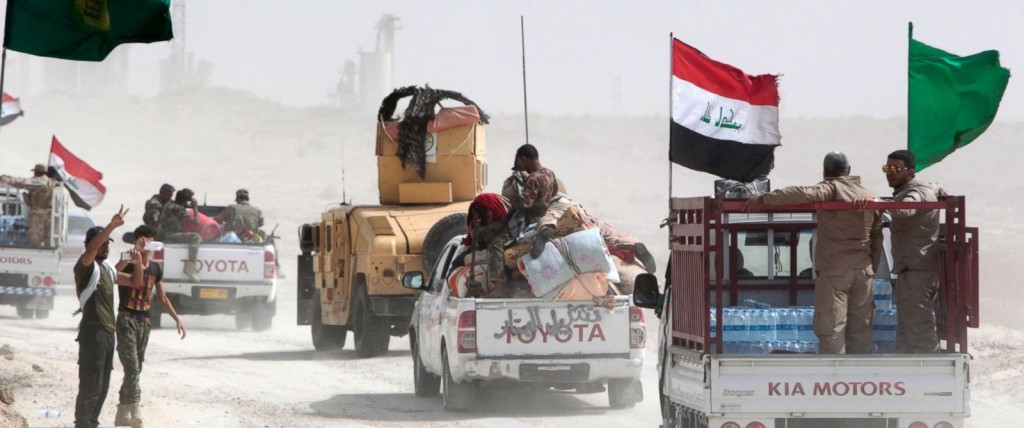
Saba Ararsabah / AFP / Getty images

The official Baghdad on the 22nd of May declared that it launched a large-scale military operation in a rebellious city of Fallujah against Islamic State militants, with the involvement of sophisticated armored vehicles, artillery, and the U.S led air forces. Apparently, the Islamic State has been holding Fallujah since 2014, and therefore the attempt to retake control of the city will be violent and grueling. Fallujah – which is located roughly 69 km west of Baghdad is one of the strategically important cities of Iraq and the first city that has fallen under the rule of the Islamic State.