
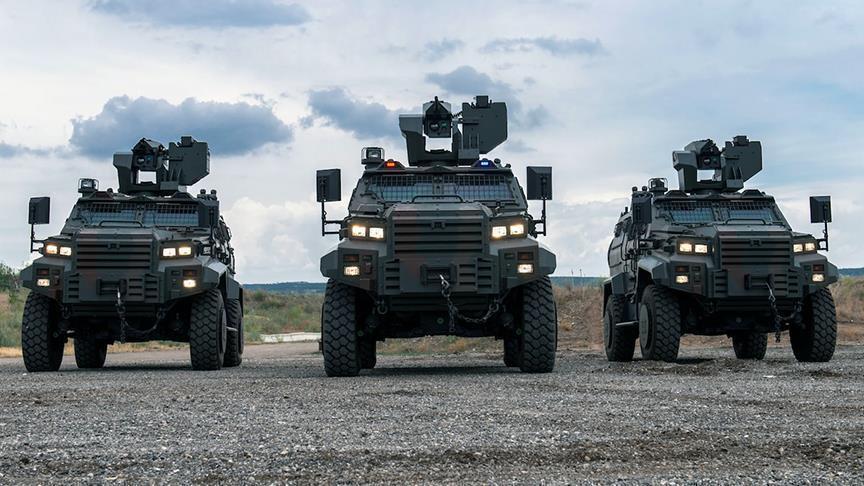
Over the last decade, the development of Turkey’s defense industry has become a crucial aspect of its soft power diplomacy in both regional and global politics. The country has made significant efforts to invest heavily in developing its indigenous defense industry, reducing its dependence on imports and becoming a leading defense exporter in global markets.[1] The rapidly changing regional and global geopolitical landscape, particularly after the Arab uprisings, has prompted Ankara to expand the country’s defense industry and reduce its reliance on overseas arms procurement and international supply chains.
Since the ruling AKP government came to power, the country’s indigenous defense industry has undergone a significant transformation, steadily becoming the twelfth-largest arms exporter, according to the Stockholm International Peace Research Institute (SIPRI).[2] Given the regional instability marked by violent uprisings and sectarian conflicts, Türkiye’s pursuit of defense industry development can be understood as a primarily threat-driven strategy. This approach reflects an effort to enhance national defense capabilities and ensure strategic autonomy in response to both external security challenges and internal vulnerabilities. The close alignment with the West during the Cold War era helped Türkiye secure itself and gain access to the U.S. and NATO military-industrial complex and advanced weapons systems, which played a major role in transforming the local defense industry.