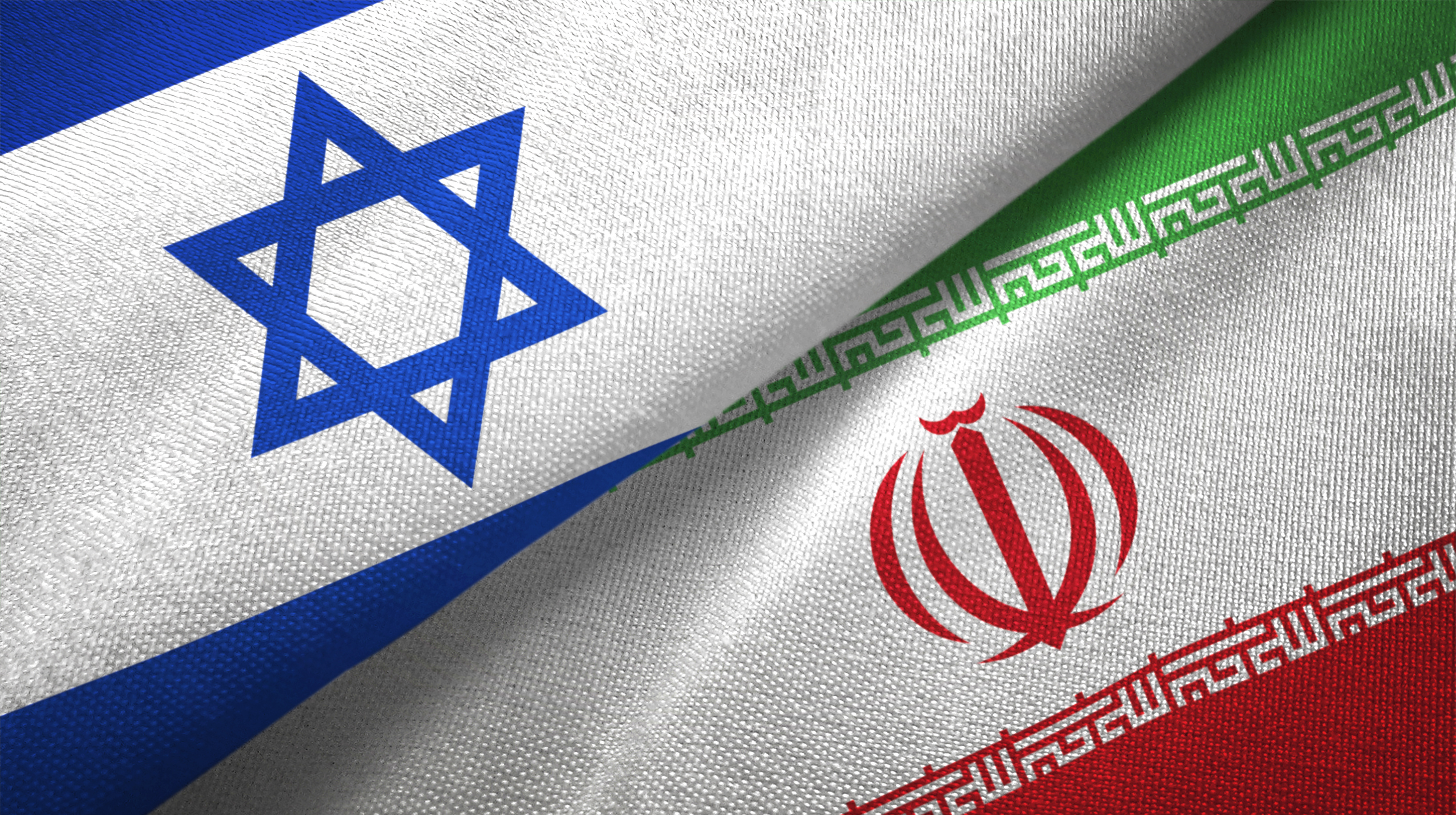
As tensions deepen between the United States-Israel alliance and Iran and the odds of a military strike against Tehran increase, both nations appear intent on expanding their relations with Azerbaijan—adding a key force multiplier to the conflict.

As tensions deepen between the United States-Israel alliance and Iran and the odds of a military strike against Tehran increase, both nations appear intent on expanding their relations with Azerbaijan—adding a key force multiplier to the conflict.

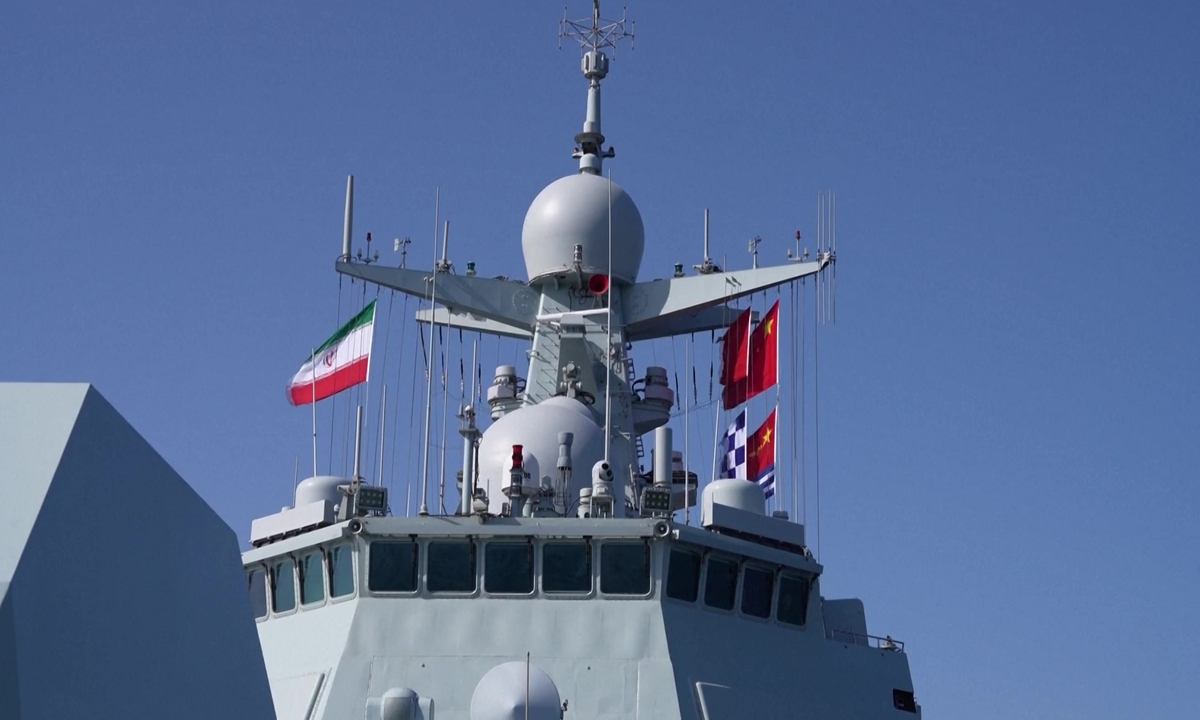
Russia and Iran have long been bound together by unrelenting hostility to—and from—the United States. But Russia’s open embrace of the Trump administration has led leaders in Tehran to wonder just how durable their relationship with the Kremlin truly is.

Executive Summary:
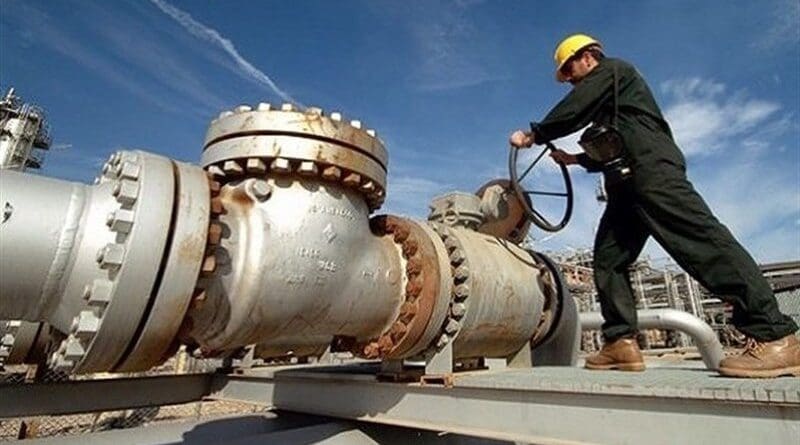
On February 14, Türkiye’s Energy Minister, Alparaslan Bayraktar, announced that a new energy agreement was signed with Turkmenistan, strengthening the bilateral relations between Ankara and Ashgabat. The main stakeholders of the agreement are Türkiye’s state-owned pipeline operator BOTAŞ and Turkmenistan’s state-owned Turkmengaz. The new agreement envisages 2 billion cubic meters (bcm) of natural gas flow from Turkmenistan to Türkiye through Iran via its existing natural gas network, which began on March 1 (Caspian Post, February 14; Anadolu Ajansı, March 2). The new swap agreement is a remarkable milestone in enhancing Türkiye’s energy security and attempts to diversify its supply sources.

Azerbaijan and Israel, which have long cultivated close ties in defense and intelligence, are strengthening cooperation in the energy field.
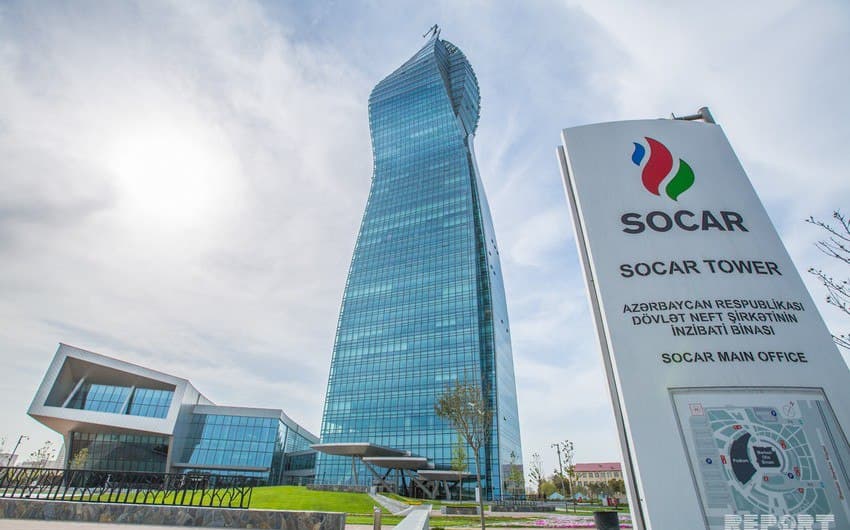
Last October, Azerbaijan’s State Oil Company (SOCAR) acquired a 10 percent stake in Israel’s Tamar gas field as part of the company’s Mediterranean upstream strategy. The investment, SOCAR’s first direct upstream venture in the Mediterranean, signals Azerbaijan’s intent to deepen its economic and geopolitical footprint in the Middle East while reinforcing its strategic alliance with Israel. SOCAR’s expansion into the Mediterranean basin intensifies Azerbaijan’s soft power and opens the prospect of additional gas exports to southeastern Europe. SOCAR reportedly bought the stake from Union Energy, which is operated by Chevron.

Turkey has emerged as a relatively new, strong actor in Romania’s renewable energy sector through recent investments and joint ventures. Turkey’s interest in Romania’s energy field is driven not only by economic interests and soft power diplomacy but also by the strong demand for additional energy sources.
Turkey’s growing investments in Romania reflect its broader geopolitical interests. Since 2023, Turkish investors have entered the market through acquisitions, joint ventures and new solar projects and began carrying out projects in the same year.
This also reflects the recent strong growth of Romania’s renewables sector. Romania closed 2024 with 5 GW of installed photovoltaic capacity, a significant increase compared to the 3.2 GW recorded in 2023. Undoubtedly, ongoing global and regional upheavals, particularly the Russo-Ukraine war and climate change, pushed Romania to focus more on its national green strategy.

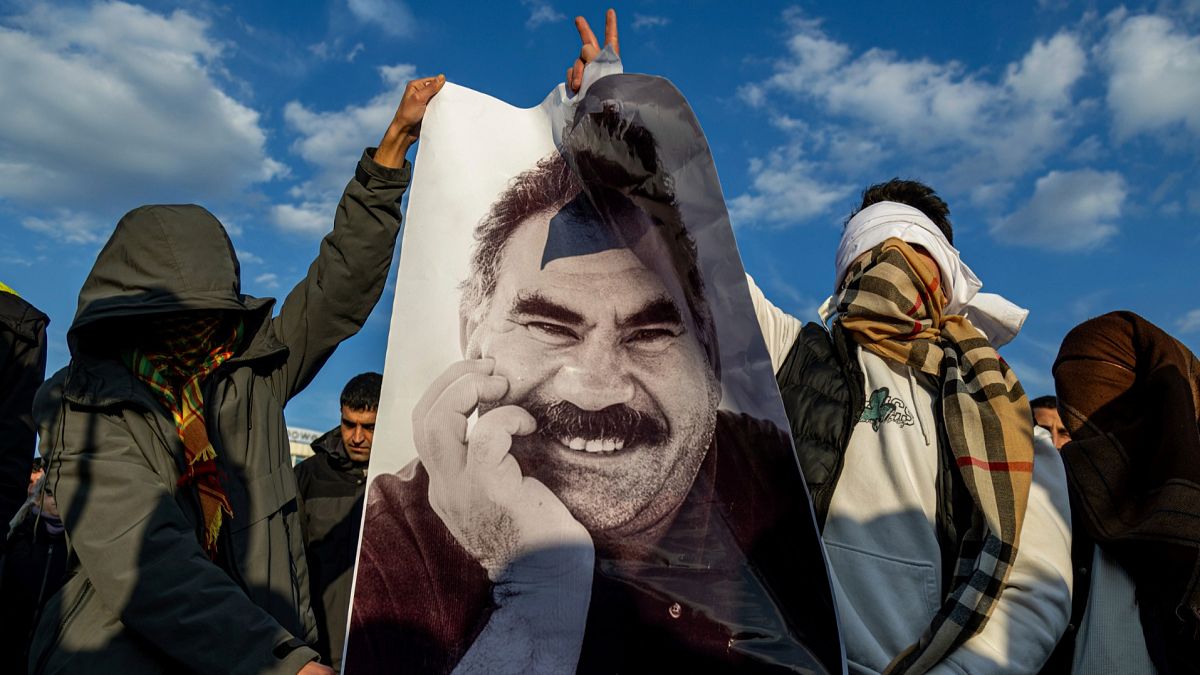
Turkey’s Interior Ministry conducted large-scale raids in 51 cities, including the Kurdish-majority city of Diyarbakir in the southeast, on Feb. 18, arresting 282 people for alleged ties with the militant Kurdistan Workers’ Party (PKK). The arrests stirred heated debate within Turkish society, constituting renewed pressure on the group but also sending mixed signals amid a new bid by the government of President Recep Tayyip Erdogan to resolve the decades-long insurgency by the PKK and strike a peace deal that could put an end to one of the most violent conflicts in the region. The attempt at a rapprochement is the first sustained effort since the two sides tried – but failed – to reconcile in 2014. Just yesterday, the PKK’s imprisoned founder and longtime leader, Abdullah Ocalan, issued an unprecedented call from prison saying, “all groups must lay down their arms and the PKK must dissolve itself.”
While Ocalan’s call on his followers was indeed a historical move and likely will influence Kurdish militant groups across the Middle East, it is still arguable whether his appeal will result in the massive surrender of the PKK and its Syrian affiliations. For example, Mazlum Kobane, the leader of Syrian Democratic Forces (SDF) in northeastern Syria, has said that “Ocalan’s call on disarmament is not related to us.”

Ukraine is positioning itself as a key transit hub for Azerbaijani gas to Europe, a move that could significantly alter the region’s energy landscape.
If successful, this would carve out a new role for Kyiv after Russian supplies stopped flowing to the rest of Europe via Ukraine on January 1, pushing up European wholesale energy prices.
The expiration of the Russian gas deal at the beginning of 2025 and Kyiv’s decision not to prolong the agreement triggered heated debates within the European Union as countries like Hungary and Slovakia harshly criticised Ukraine, accusing it of igniting the energy crisis with no drastic impact on Russia.

Executive Summary:
On January 6, the State Oil Company of the Republic of Azerbaijan (SOCAR) announced plans to invest $7 billion in Türkiye’s energy sector in the coming years (Report.az, January 6). Between 2008 and 2024, SOCAR Türkiye, SOCAR’s local subsidiary, invested $2 billion into the development of the petrochemical facilities of the Petkim petrochemical company privatized by SOCAR. The total investments of the company in the Turkish economy accounted for more than $18 billion in the same period, making the company the largest foreign investor in the country (ABC.az, January 6).

The December 2024 ousting of Bashar al-Assad marked a pivotal moment in Middle Eastern geopolitics, dramatically shifting the regional balance of power. For Iran, the downfall of one of its most steadfast allies represents a significant blow to its influence in Syria and across the broader Levant. While this moment will have immediate and far-reaching consequences, Iran’s loss of Syria also underscores the weakening of Tehran’s soft and hard power in the region. Since the bloody Syrian Civil War began, Iran has used Syria to boost its so-called Axis of Resistance, capitalizing on the power vacuum in the region to flood money, men, and material to its proxies. Indeed, the Iranian-Syrian alliance was not merely geopolitical but also ideological, grounded in shared resistance against Western and Israeli influence in the region.
However, repercussions from the Israel-Gaza war have dealt a heavy blow to Lebanese Hezbollah and by extension the Assad regime, effectively dismantling this axis. Iran’s access to the Mediterranean has been severely restricted, and its ability to threaten Israel via Hezbollah is now in jeopardy. With Syria in disarray, Tehran’s ambitions to dominate the volatile region look increasingly fragile.
![]()

Hikmat Hajiyev, assistant to Azerbaijan’s President Ilham Aliyev, held a face-to-face meeting with Israel’s President Isaac Herzog and Foreign Minister Gideon Sa’ar in Jerusalem on December 9. This visit surprised many as the Jewish state continues to fight on several fronts against its enemies, including Hezbollah remnants repeatedly hitting more than 300 sites in Syria in recent days.
While Hajiyev’s trip came unannounced, it also came at a very critical and specific time in light of the overthrow of Syria’s Bashar Assad following 13 years-long bloody civil war. Although analysts for many years claimed that Bashar Assad “won the civil war” with the help of Iran and Russia, he prolonged the war, giving rise to a more solidified and regrouped opposition, which ultimately kicked out Iran’s fighters and the top-flight of the Syrian regime.