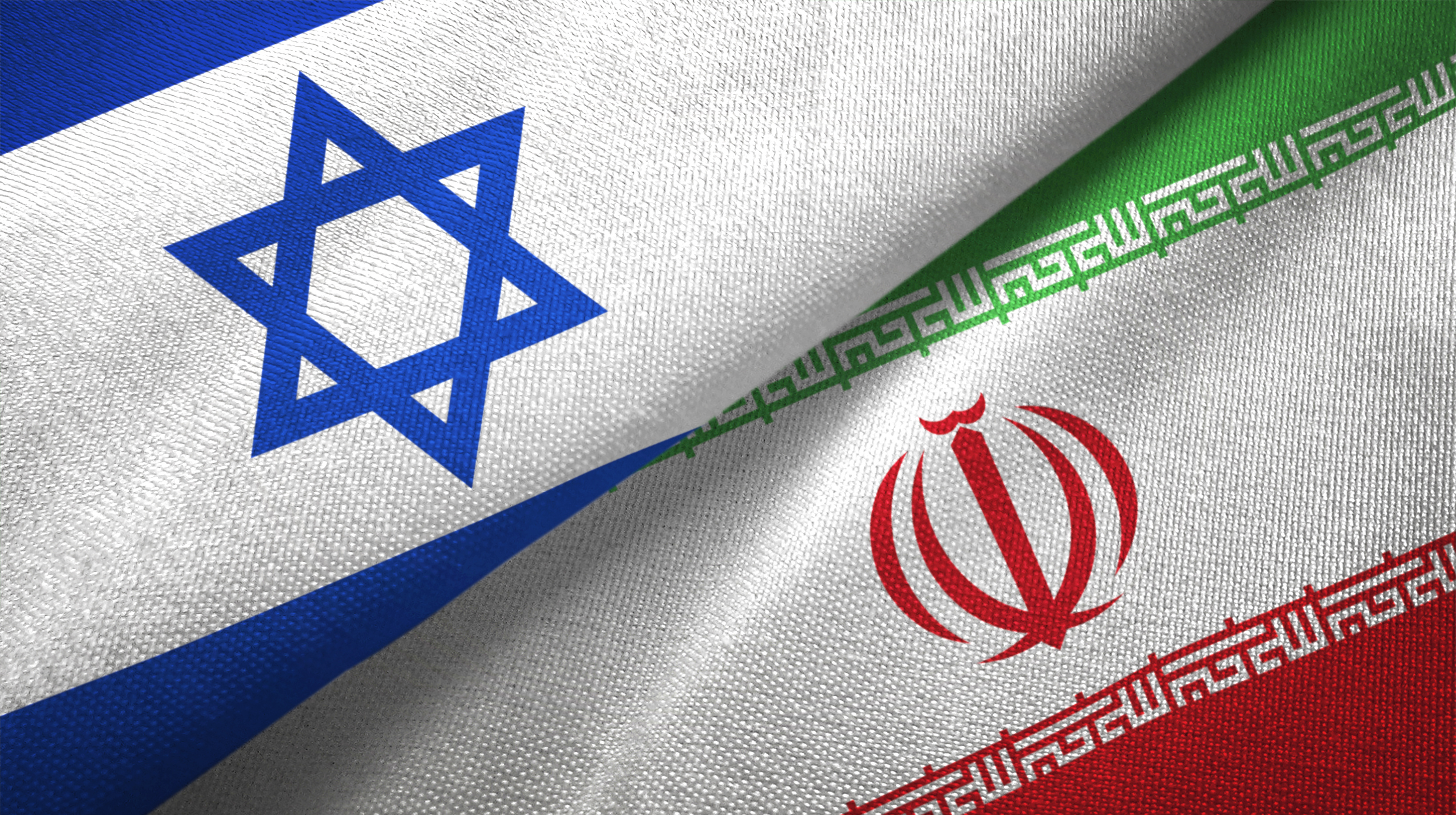
As tensions deepen between the United States-Israel alliance and Iran and the odds of a military strike against Tehran increase, both nations appear intent on expanding their relations with Azerbaijan—adding a key force multiplier to the conflict.

As tensions deepen between the United States-Israel alliance and Iran and the odds of a military strike against Tehran increase, both nations appear intent on expanding their relations with Azerbaijan—adding a key force multiplier to the conflict.

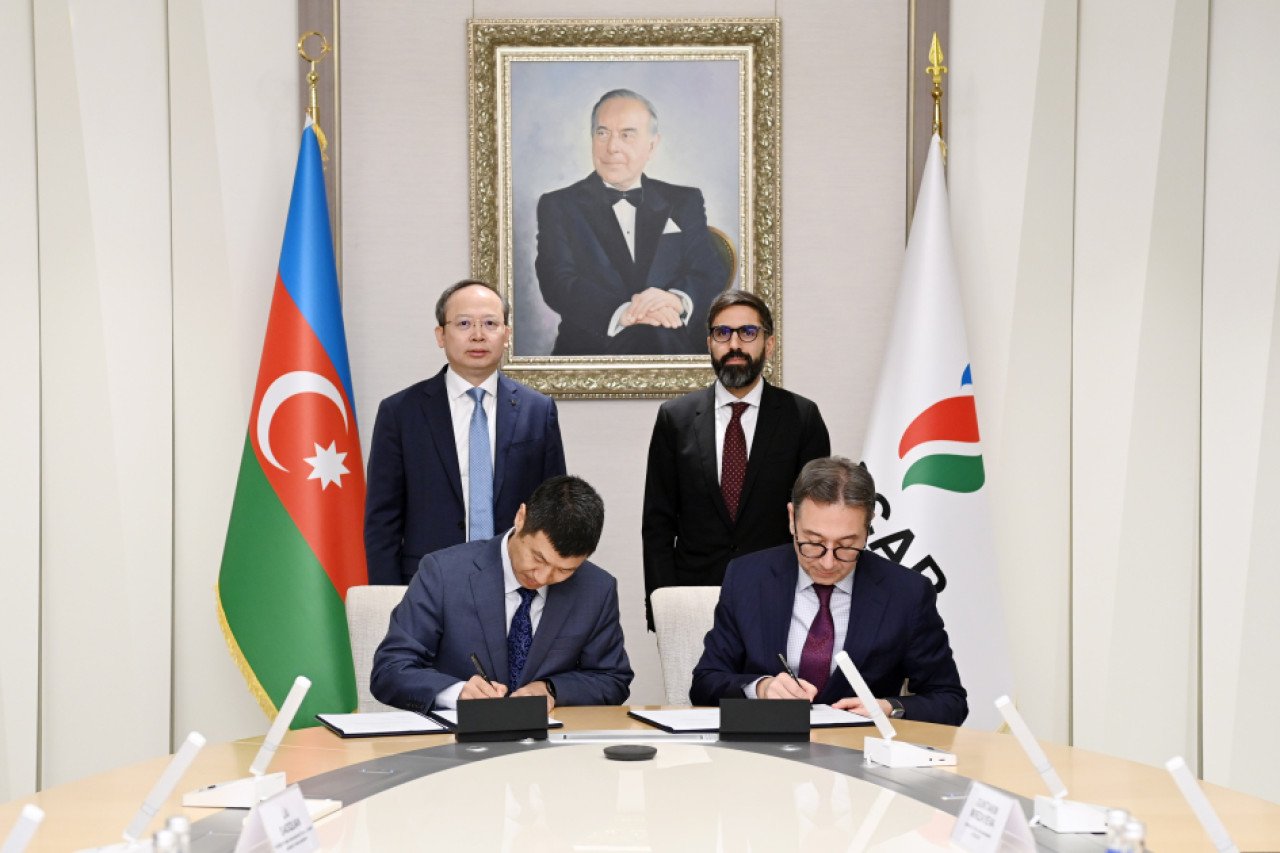
Azerbaijan and Israel, which have long cultivated close ties in defense and intelligence, are strengthening cooperation in the energy field.
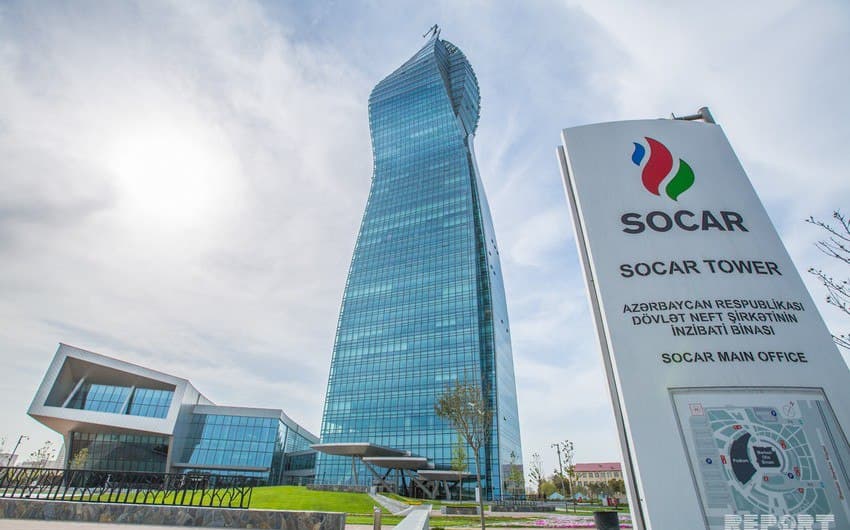
Last October, Azerbaijan’s State Oil Company (SOCAR) acquired a 10 percent stake in Israel’s Tamar gas field as part of the company’s Mediterranean upstream strategy. The investment, SOCAR’s first direct upstream venture in the Mediterranean, signals Azerbaijan’s intent to deepen its economic and geopolitical footprint in the Middle East while reinforcing its strategic alliance with Israel. SOCAR’s expansion into the Mediterranean basin intensifies Azerbaijan’s soft power and opens the prospect of additional gas exports to southeastern Europe. SOCAR reportedly bought the stake from Union Energy, which is operated by Chevron.

Ukraine is positioning itself as a key transit hub for Azerbaijani gas to Europe, a move that could significantly alter the region’s energy landscape.
If successful, this would carve out a new role for Kyiv after Russian supplies stopped flowing to the rest of Europe via Ukraine on January 1, pushing up European wholesale energy prices.
The expiration of the Russian gas deal at the beginning of 2025 and Kyiv’s decision not to prolong the agreement triggered heated debates within the European Union as countries like Hungary and Slovakia harshly criticised Ukraine, accusing it of igniting the energy crisis with no drastic impact on Russia.

Executive Summary:
On January 6, the State Oil Company of the Republic of Azerbaijan (SOCAR) announced plans to invest $7 billion in Türkiye’s energy sector in the coming years (Report.az, January 6). Between 2008 and 2024, SOCAR Türkiye, SOCAR’s local subsidiary, invested $2 billion into the development of the petrochemical facilities of the Petkim petrochemical company privatized by SOCAR. The total investments of the company in the Turkish economy accounted for more than $18 billion in the same period, making the company the largest foreign investor in the country (ABC.az, January 6).
![]()

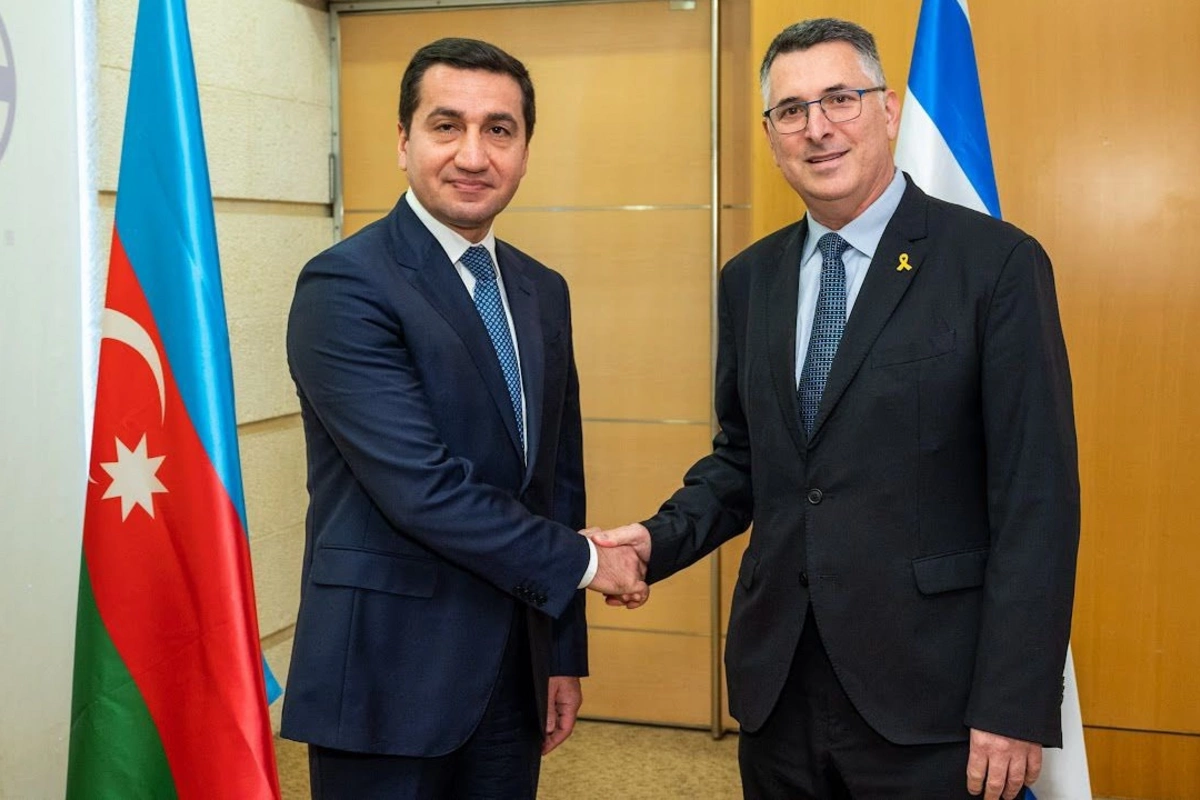
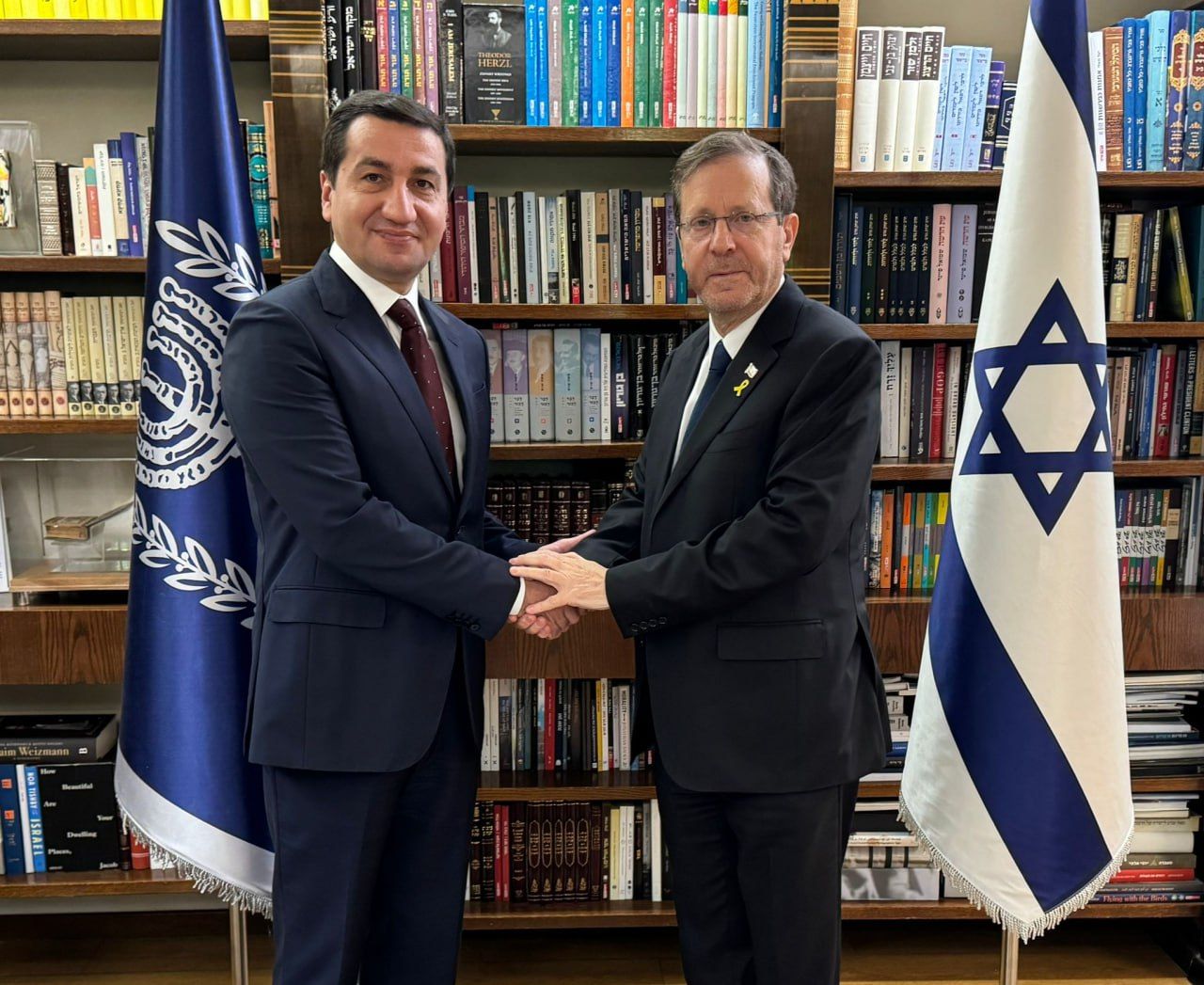
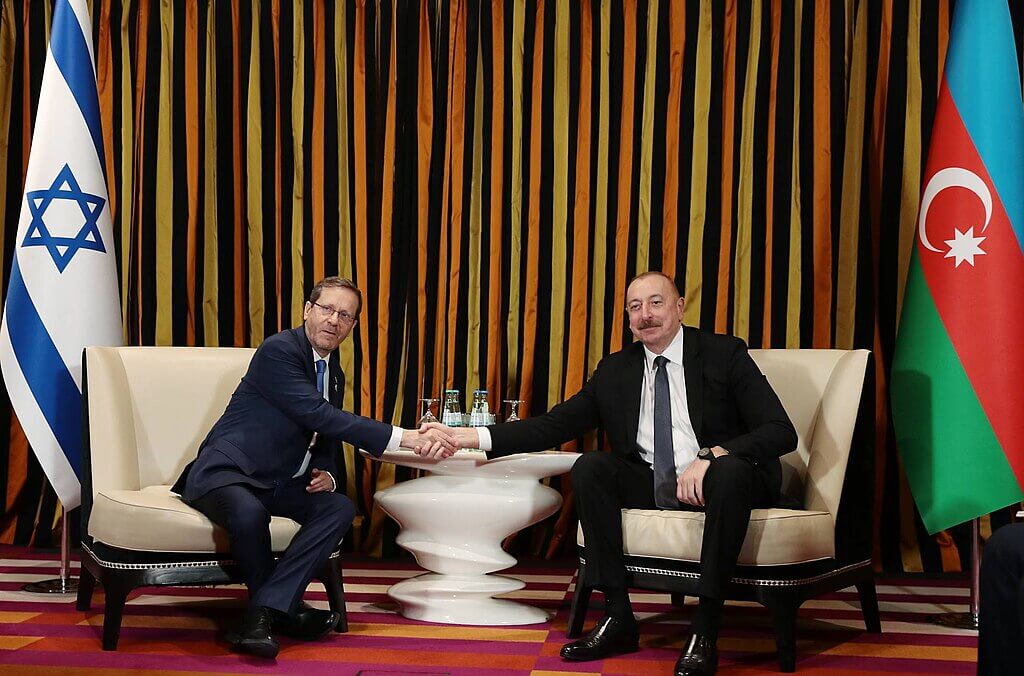
Hikmat Hajiyev, assistant to Azerbaijan’s President Ilham Aliyev, held a face-to-face meeting with Israel’s President Isaac Herzog and Foreign Minister Gideon Sa’ar in Jerusalem on December 9. This visit surprised many as the Jewish state continues to fight on several fronts against its enemies, including Hezbollah remnants repeatedly hitting more than 300 sites in Syria in recent days.
While Hajiyev’s trip came unannounced, it also came at a very critical and specific time in light of the overthrow of Syria’s Bashar Assad following 13 years-long bloody civil war. Although analysts for many years claimed that Bashar Assad “won the civil war” with the help of Iran and Russia, he prolonged the war, giving rise to a more solidified and regrouped opposition, which ultimately kicked out Iran’s fighters and the top-flight of the Syrian regime.

Despite its heavy reliance on fossil fuel exports for many years, Azerbaijan has now shifted its long-term energy strategy by steadily switching to renewable energy sources.
Thus, the 29th Conference of the Parties to the UN Framework Convention on Climate Change (COP29) in Baku became a vital platform for Azerbaijan’s main energy giant SOCAR and its affiliate SOCAR Green LLC (established in December 2023) to ink new agreements with countries and companies in the field of green energy, smart technologies and decarbonisation.
Focus on gas
It is noteworthy that SOCAR started supplying North Macedonia with natural gas on November 15, while Azerbaijan was hosting the major climate event on its soil. Considering that natural gas is the cleanest fossil fuel, in contrast to crude oil, Baku did not hesitate to announce the new partnership during COP29.
Executive Summary:
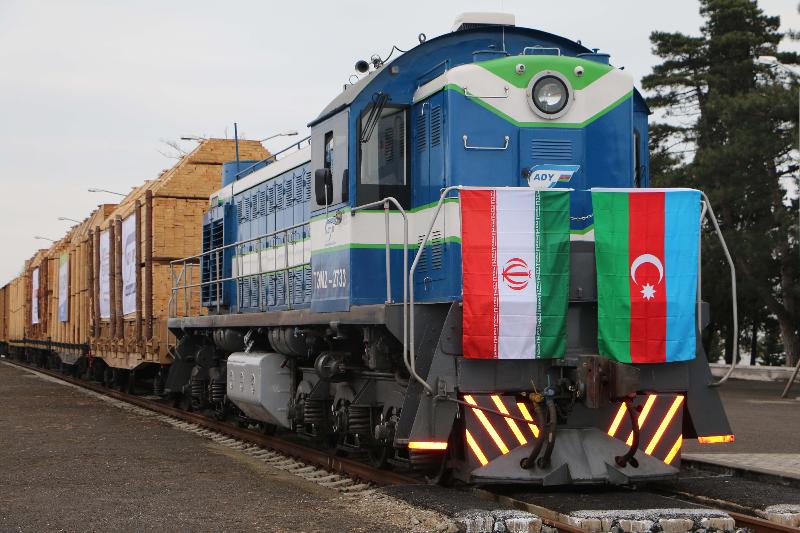
On October 15, Chairman of Azerbaijan Railways Rovshan Rustamov arrived in Tehran to meet his Iranian counterpart Jabbar Ali Zakeri Sardroudi to discuss the construction of a railway line linking Azerbaijan’s East Zangezur region and its Nakhchivan exclave through Iran (News.az, October 15). The meeting came amid intensive diplomatic negotiations between Azerbaijan and Iran regarding the Aras Corridor transit route linking Azerbaijan to Nakhchivan and further to Türkiye via Iran after a period of silence and diplomatic rifts between the two neighbors (see EDM, March 27).

Azerbaijan has built strong partnerships with Israel in energy and defense for the last two decades despite also maintaining ties with Turkey and Iran
The impact of the geopolitical turmoil in the Middle East stemming from the ongoing Israel–Hamas war extends far beyond the region.
Since Hamas’s brutal October 7 terror attack on southern Israel, Israeli forces have conducted large-scale military operations in Gaza to try to destroy Hamas and armed radicals affiliated with the militant Palestinian group. Although many countries in Europe and Asia voiced support for Israel at least initially, others have tried to remain neutral, while countries such as Iran, Russia, Turkey, Ireland, and Spain have blamed Israel for the excessive use of force in Gaza and disregard of civilian lives.

Executive Summary:
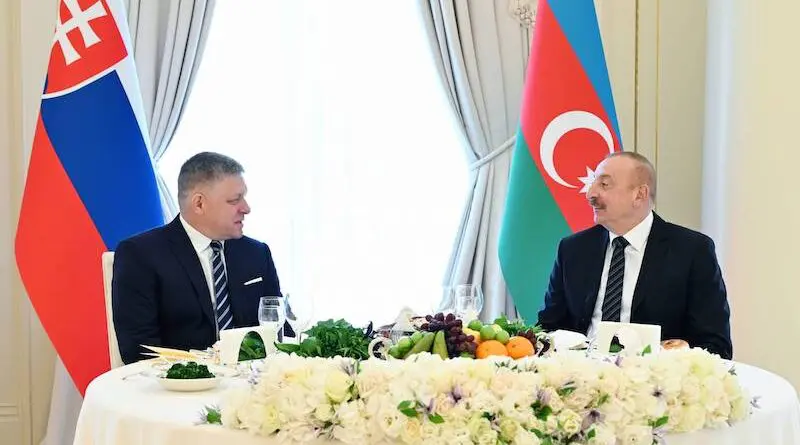
On May 7, Slovakian Prime Minister Robert Fico arrived in Azerbaijan for an official visit to meet with Azerbaijani President Ilham Aliyev. The visit marked a significant milestone in the Azerbaijani-Slovakian partnership, as the two leaders discussed new opportunities, such as transporting Azerbaijani gas to Slovakia, and upgraded bilateral ties to a strategic level (President.az; Azertag, May 7). In recent years, Azerbaijan has focused on building individual strategic partnerships with both EU and non-EU states in Europe, despite the strained relations between Baku and Brussels.

Two agreements signed at the end of May advanced Azerbaijan’s efforts to establish itself as a key energy provider in Southeast Europe, going beyond its role as a producer of hydrocarbons to enter the electricity markets in the region as well.
On May 29, Azerbaijan, Georgia, Romania and Hungary signed a memorandum to create a joint venture as part of the implementation of the Black Sea Energy Caspian-Black Sea-Europe Green Energy Corridor project. The first agreement regarding the submarine cable was signed in 2022 and it is supposed to be fully operational in 2029. The Black Sea submarine cable will be 1,195 km long and is set to be an important pillar of the transition to green energy, with the plan to integrate it into the EU’s internal electricity market. As an attempt to diversify energy supplies in response to Russia’s war in Ukraine in February 2022, the Black Sea cable is of particular importance.